


ASA filament: why it suits cars and outdoor use
When a part has to stand up to sun, rain and a hot car interior in summer, PLA or even PETG is not always the best choice. That is where ASA comes in – a material as strong as ABS that does not yellow or turn brittle in the sun.
In this post we explain what ASA is, where it fits and when to choose something else.
What is ASA?
ASA (acrylonitrile styrene acrylate) is an engineering plastic and a close relative of ABS. The difference is one ingredient: the butadiene in ABS breaks down in UV light, while ASA uses an acrylate rubber that withstands sunlight. The result is a material with the strength and heat resistance of ABS that can also stay outdoors for a long time.
That is why the car industry uses ASA for exterior parts: mirror housings, grilles and trim.
ASA compared with PLA, PETG and ABS
| PLA | PETG | ABS | ASA | |
|---|---|---|---|---|
| Starts to soften at about | 55–60 °C | 70–80 °C | 95–100 °C | 95–100 °C |
| Sun and UV | poor | medium | poor – yellows, turns brittle | very good |
| Impact resistance | low | good | very good | very good |
| Rain and moisture | fair | very good | good | very good |
| Surface | smooth, glossy | glossy | matte | matte |
| Lasts outdoors long-term | are | partly | are | yes |
Temperatures are approximate and depend on the specific material and the shape of the part. For comparison: a car dashboard can reach 70–80 degrees in summer sun – a PLA part will not last there.
Where ASA fits
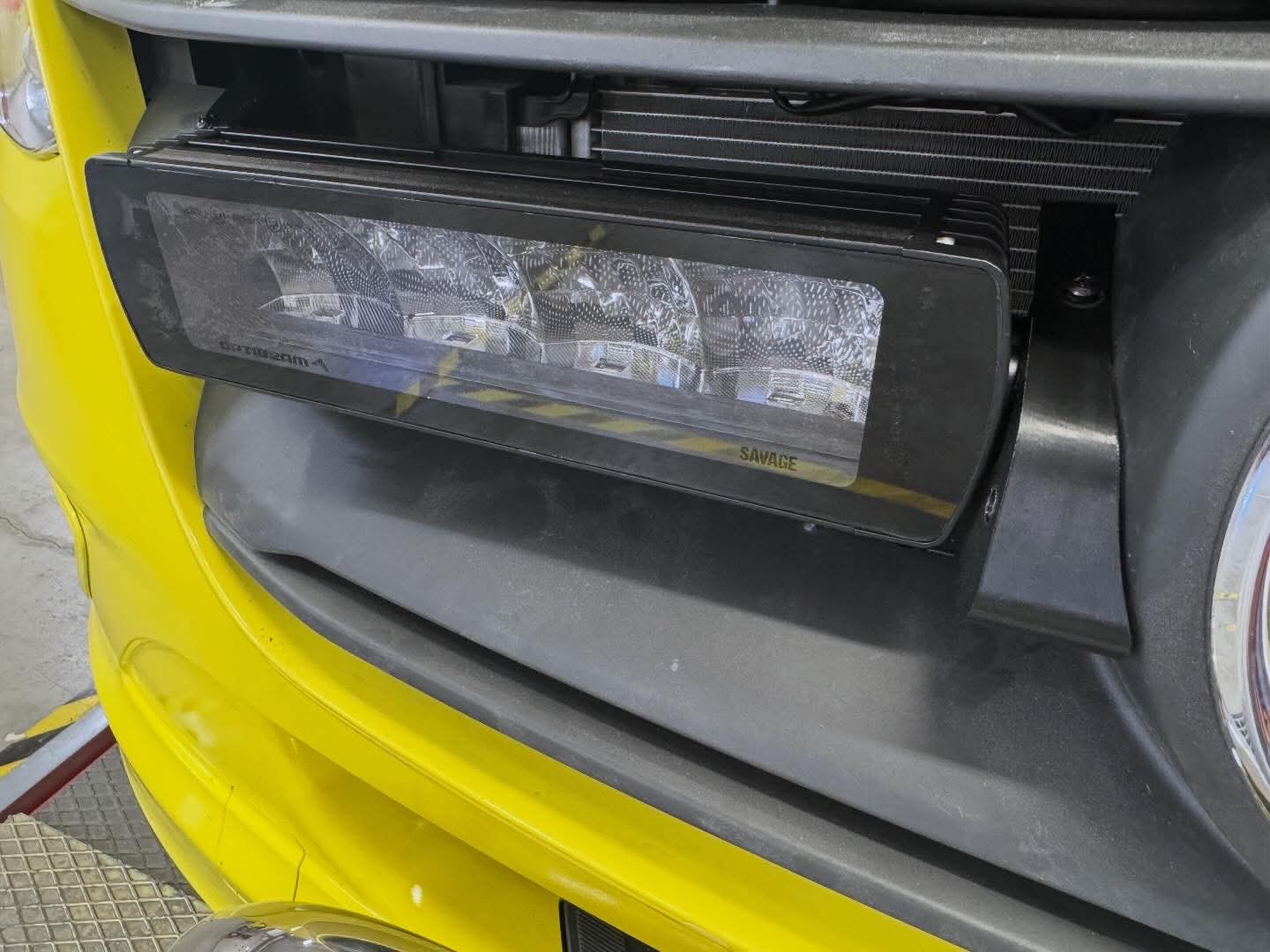
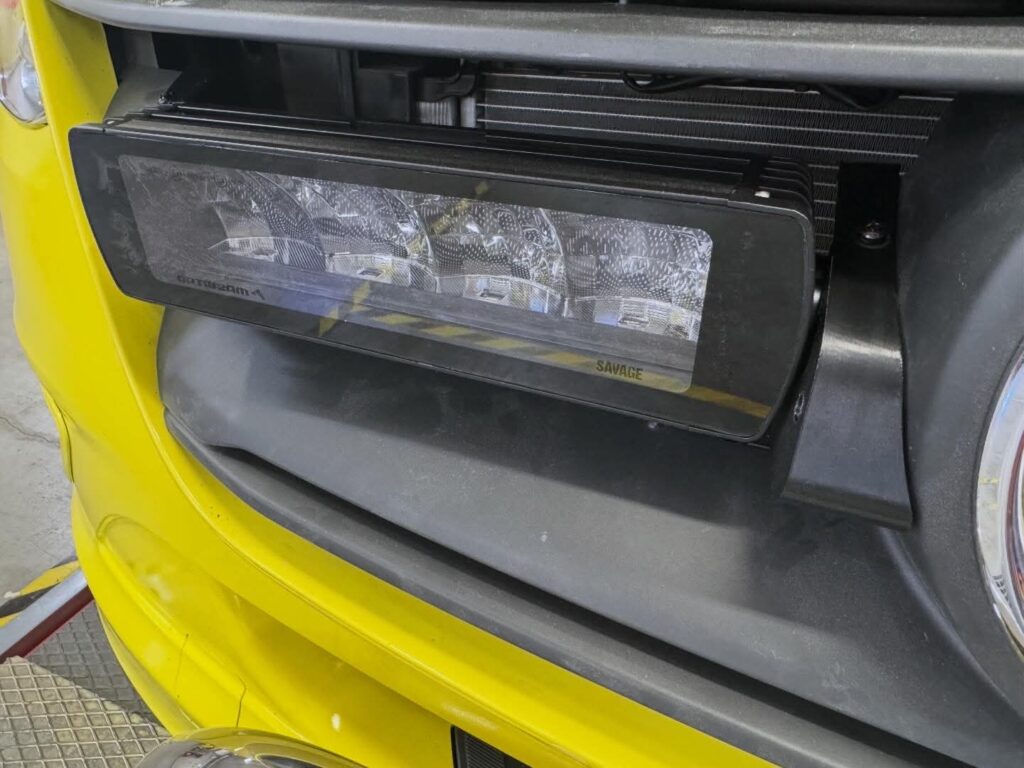
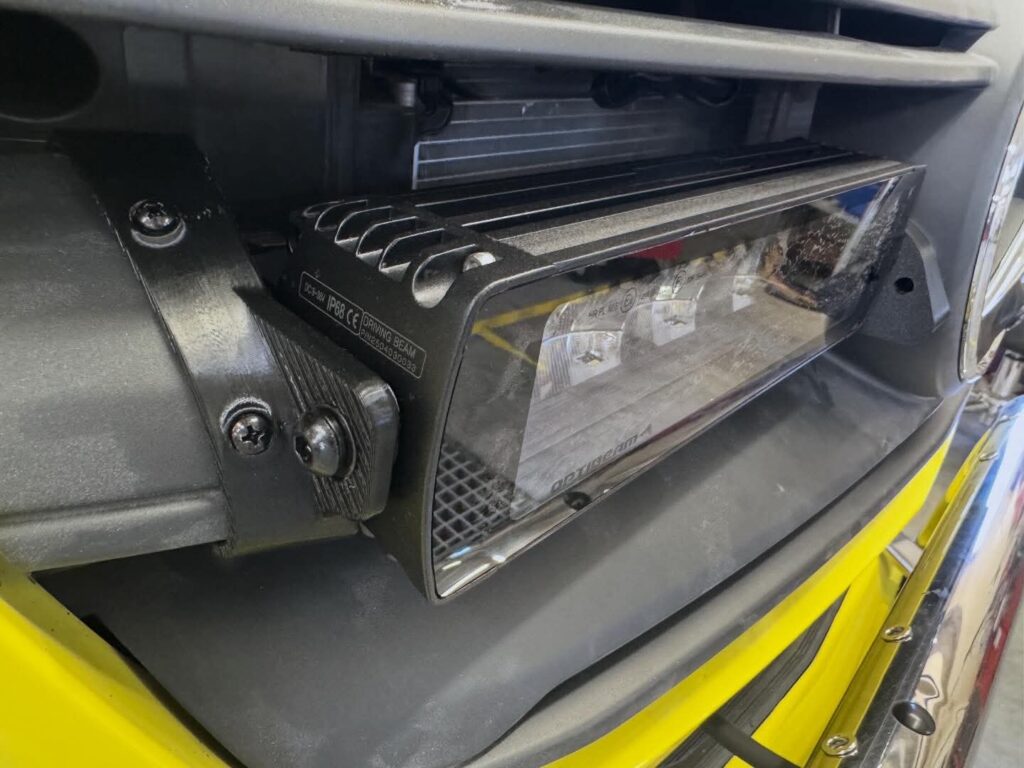
- Car exterior parts and mounts – parts around the grille, bumper, roof rails and number plate, camera and light mounts. For example, we printed the auxiliary light mounts for a car grille from black ASA: they are out in rain, road salt and sun all year round.
- Inside the car, in the sun – holders and clips near the dashboard and the rear window.
- Outdoors – garden, balcony and facade parts, mailbox and gate parts, boat and trailer parts, sensor and cable boxes.
- Technical housings – devices that stand outdoors or on a sunny windowsill.
Where ASA does not fit
- Engine bay and very hot environments. Above about 90 degrees, a carbon-fibre engineering material such as PA-CF or PPS-CF is the better choice.
- Flexible parts – seals, bumpers and grip surfaces are made from TPU.
- Items that touch food. Dirt collects between the layers of a printed part, so we do not recommend any printing material for direct food contact.
- The part stays indoors and carries no load. Then PLA is the simpler and cheaper choice.
What to consider with ASA
- Matte surface. ASA naturally has a matte finish that hides layer lines better than glossy PETG.
- Post-processing. ASA can be sanded, drilled, glued and painted.
- Printing is more demanding. ASA needs an enclosed printer with a steady temperature, otherwise the part warps or cracks. We print ASA in an enclosed printer, so that is our concern, not yours – but it is why an ASA part costs a bit more than a PLA one.
- Colours. We have ASA in black, white and grey.
Frequently asked questions
Can ASA handle an Estonian winter?
Yes. ASA does not mind cold or moisture and is fine for year-round outdoor use.
Is ASA stronger than PETG?
Both are strong, in different ways. ASA handles heat and sun better; PETG is a little tougher and more flexible. For outdoors and cars we recommend ASA, for damp indoor spaces and everyday holders PETG.
Does ASA smell?
ASA gives off fumes while it prints, so we print it in a suitable place. The finished part does not smell.
Do you sell ASA filament?
No – we print finished parts from ASA. Send us a file, a drawing or a photo with measurements, and we make the part for you.
How we choose the material at PrintCraft
You do not need to know the material yourself. Tell us where the part goes and what it has to withstand – sun, cold, load, vibration. We check the file, recommend a material and tell you honestly if anything should change before printing.
Read also: PLA, PETG or ABS – which 3D printing material to choose and why?